
How to Avoid Fake Auto Dealer Scams
Security
February 13, 2026
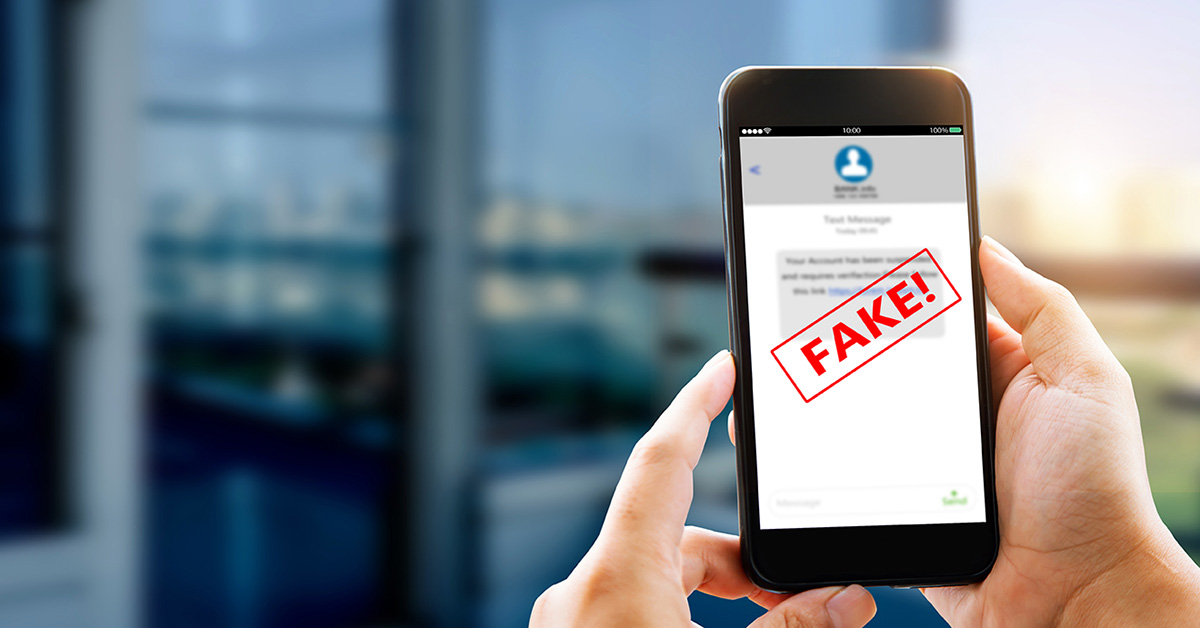
Buying a vehicle online can be convenient, but it also comes with risks. Law enforcement agencies across the country have issued warnings about a growing scam involving fake auto dealers who lure buyers into sending money for vehicles that do not exist. These scams are becoming more sophisticated and can look very convincing at first glance. Knowing the warning signs can help protect your money and personal information.
How Fake Auto Dealer Scams Work
Fake auto dealer scams often begin with online ads that advertise vehicles at prices that seem too good to be true. Scammers create fake dealership websites or social media profiles that appear legitimate. They may steal photos and listings from real dealers or use stock images to make the offer look authentic.
Once a buyer shows interest, the scammer pressures them to send payment before seeing the vehicle. In many cases, they demand wire transfers or other forms of payment that cannot be reversed. After the money is sent, the vehicle is never delivered and the seller disappears.
Common Red Flags to Watch For
When shopping for a vehicle online, be cautious if you notice any of the following warning signs:
- The price is far lower than similar vehicles
- Photos are limited, low quality, or look generic
- The listing contains typos, errors, or mismatched details
- The seller refuses to allow an in person inspection
- Payment is requested through wire transfer, cryptocurrency, or gift cards
- The seller claims there is another buyer to create urgency
- The dealer refuses to provide a physical address
- The website looks incomplete or the web address seems unusual
These are common tactics used to pressure buyers into acting quickly without verifying the seller.
How to Protect Yourself When Buying a Vehicle Online
Taking a few extra steps can greatly reduce your risk of falling victim to a fake auto dealer scam:
- Always inspect the vehicle in person before sending payment
- If you cannot inspect it yourself, use a trusted third party such as a local mechanic
- Research the dealer and confirm you are communicating with the legitimate business
- Look up the address on Google Maps to verify it is an actual dealership
- Avoid payment methods that do not offer protection or recourse
- Request the vehicle identification number and order an independent vehicle history report
An escrow service may also be used to ensure funds are not released until the vehicle is delivered.
What to Do If You Believe You Have Been Scammed
If you believe you have been targeted or have already sent money, take action immediately. Report the scam to the Federal Trade Commission, your state Attorney General’s office, and the Better Business Bureau. Reporting scams helps protect others from becoming victims.
Final Thoughts
Fake auto dealer scams are becoming more convincing and more common, especially as online car buying continues to grow. Staying alert, verifying sellers, and refusing to rush into payments can help protect you from financial loss. If a deal feels off or too good to be true, it is worth slowing down and taking a closer look.
Have questions or need assistance? Contact us.