Weather Recovery Scams: How to Protect Yourself After a Storm
Security
August 25, 2026
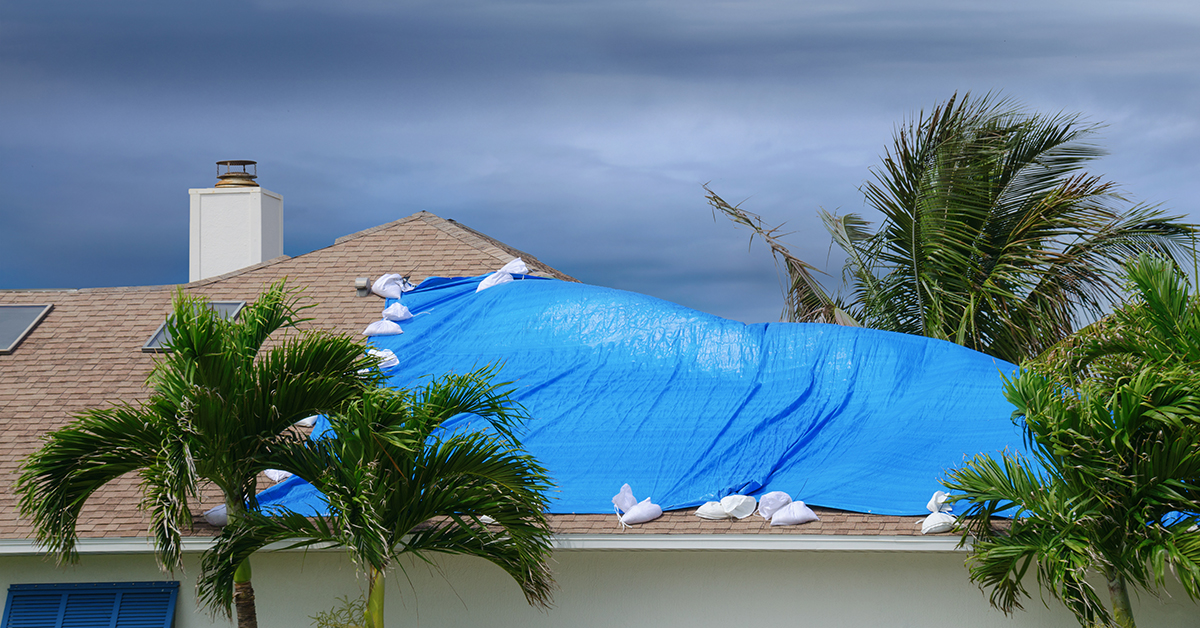
Severe weather can leave behind more than physical damage. Unfortunately, scammers often take advantage of disaster recovery efforts to trick homeowners and businesses. After hurricanes, floods, or heavy storms, it is common to see fake contractors, donation scams, and government imposters promising quick help. Learning how to spot weather recovery scams can protect you, your home, and your finances.
What Are Weather Recovery Scams?
Weather recovery scams target people affected by natural disasters. Scammers pretend to be contractors, insurance agents, or government officials offering repair or relief services. They often ask for payment upfront or request personal information, then disappear without completing the work.
These scams can happen through phone calls, text messages, social media, or even door-to-door visits. Because people are vulnerable after a storm, scammers use fear and urgency to pressure quick decisions.
Common Types of Weather Recovery Scams
- Fake contractors: They promise fast repairs, demand payment upfront, and never return.
- Charity scams: Fraudulent charities ask for donations but keep the money for themselves.
- Government imposters: Scammers claim to be from FEMA or another agency to collect personal or banking information.
- Insurance fraud: Someone pretends to help with insurance claims but uses your information for identity theft.
Warning Signs of a Scam
Watch for these red flags when recovering from storm damage:
- Requests for full payment before work begins
- Unmarked vehicles or no proof of licensing or insurance
- Pressure to sign contracts quickly
- Requests for personal information such as bank account or Social Security numbers
- Offers that seem too good to be true
How to Protect Yourself
- Verify credentials: Always ask for a contractor’s license and insurance information. Check reviews and references.
- Do not pay upfront: Make payments in stages and only after work is completed to your satisfaction.
- Use trusted organizations: If donating, give directly through well-known and verified charities.
- Contact your insurance company first: They can guide you on approved repair services and legitimate claims.
- Be cautious with personal information: Never give out sensitive details unless you are sure of who you are speaking to.
Report Suspicious Activity
If you suspect a weather recovery scam, report it immediately. You can contact:
- The Federal Trade Commission (FTC) at reportfraud.ftc.gov
- The Florida Attorney General’s Office (for local residents)
- Your local law enforcement agency
Reporting scams helps protect others in your community from becoming victims.
Final Thoughts
After severe weather, communities come together to rebuild and recover. Unfortunately, scammers see disaster as an opportunity to profit. Stay alert, research before you agree to anything, and trust only verified sources. By knowing the warning signs of weather recovery scams, you can focus on what truly matters—restoring your home and peace of mind.