
Fake Loan Text Scams
Security
September 16, 2026
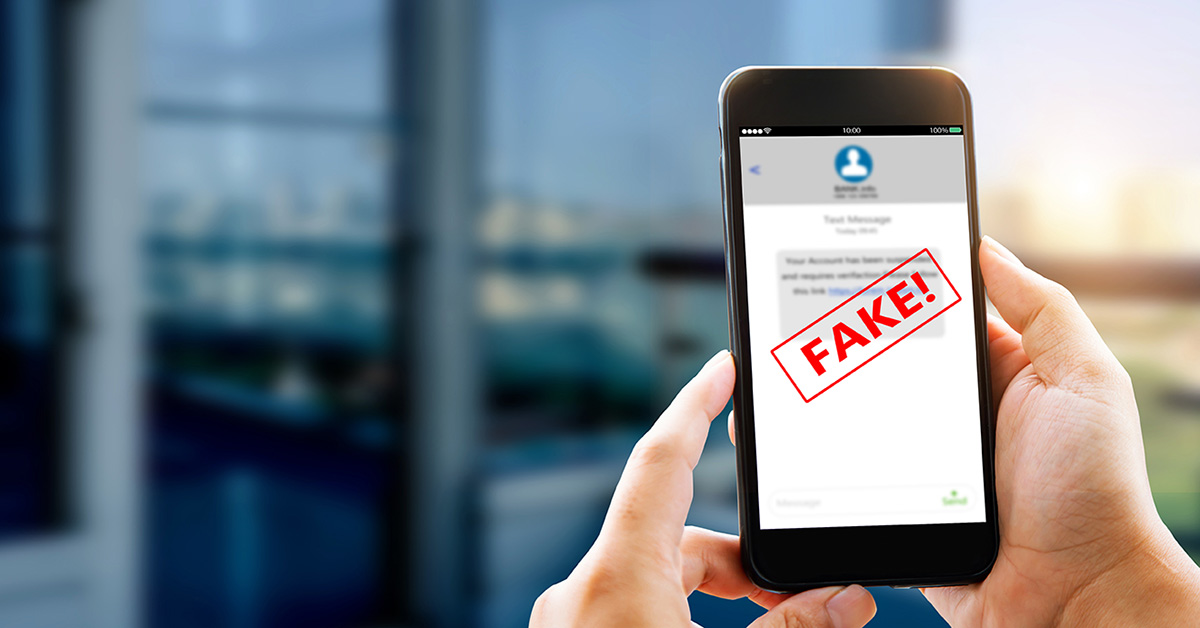
Have you received a text message offering a fast loan with guaranteed approval? If so, you’re not alone. Fake loan text scams are becoming increasingly common, with scammers using text messages to target people looking for quick access to cash.
These messages may appear legitimate, but their goal is often to steal your personal information, banking details, or money.
What Is a Fake Loan Text Scam?
A fake loan text scam is a fraudulent message that claims you’ve been approved for a loan or are eligible for special financing. The text usually includes a link or phone number and encourages immediate action.
Scammers often use phrases like:
- “You’ve been pre-approved for a $10,000 loan.”
- “Guaranteed approval. No credit check required.”
- “Claim your loan offer today.”
While the offer may sound tempting, legitimate lenders do not typically approve loans through unsolicited text messages.
Red Flags to Watch For
Be cautious if a loan text:
- Promises guaranteed approval
- Requires upfront fees before receiving funds
- Creates a sense of urgency
- Comes from an unknown phone number
- Asks for personal or banking information via text
- Contains suspicious links
If something feels off, trust your instincts and do not click the link.
How to Protect Yourself
Follow these simple steps to stay safe:
- Never click links in unexpected loan offers.
- Do not provide account numbers, Social Security numbers, or passwords through text messages.
- Research the company independently before responding.
- Contact the lender directly using information from its official website.
- Delete and report suspicious messages as spam.
What to Do If You Clicked a Link
If you’ve interacted with a suspicious loan text:
- Stop communication immediately.
- Change any passwords you may have shared.
- Report the scam to the appropriate authorities.
- Contact your financial institution if you provided account information.
- Monitor your financial accounts for unauthorized activity.
Final Thoughts
Scammers rely on urgency and attractive offers to trick consumers into acting quickly. Remember: if a loan offer arrives unexpectedly by text and sounds too good to be true, it probably is.
Before sharing personal information or applying for a loan, take a moment to verify the source. A little caution can go a long way in protecting your finances and your identity.
For more on scams check out consumer.ftc.gov/scams.